
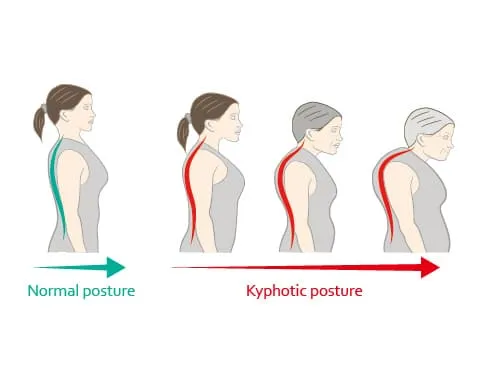
Kids and Adolescents: In kids—especially during growth spurts—a kyphosis brace is commonly prescribed to prevent worsening of spinal curvature. Conditions such as Scheuermann's kyphosis or posture-related rounding of the upper back can progress quickly while the spine is still developing. Wearing a brace consistently helps guide the spine into better alignment. Although some children or teens may feel self-conscious at first, bracing is a proven method for controlling curve progression and supporting long-term spine health.
Adults: Adults often experience kyphosis from prolonged poor posture, muscle fatigue, or job-related strain such as long hours at a computer or repetitive bending. A kyphosis brace can reduce upper-back tension, support weakened postural muscles, and encourage healthier alignment during daily activities. Many adults find that using a brace improves posture awareness and reduces discomfort during work and exercise.
Elderly: In the elderly population, kyphosis may be linked to osteoporosis, vertebral compression fractures, or age-related muscle weakness. Bracing can help stabilize the spine, reduce pain, and promote a more upright posture, which may improve balance and reduce fall risk. A brace can also make daily tasks—like walking, reaching, or standing—safer and more comfortable, helping older adults maintain mobility and independence.
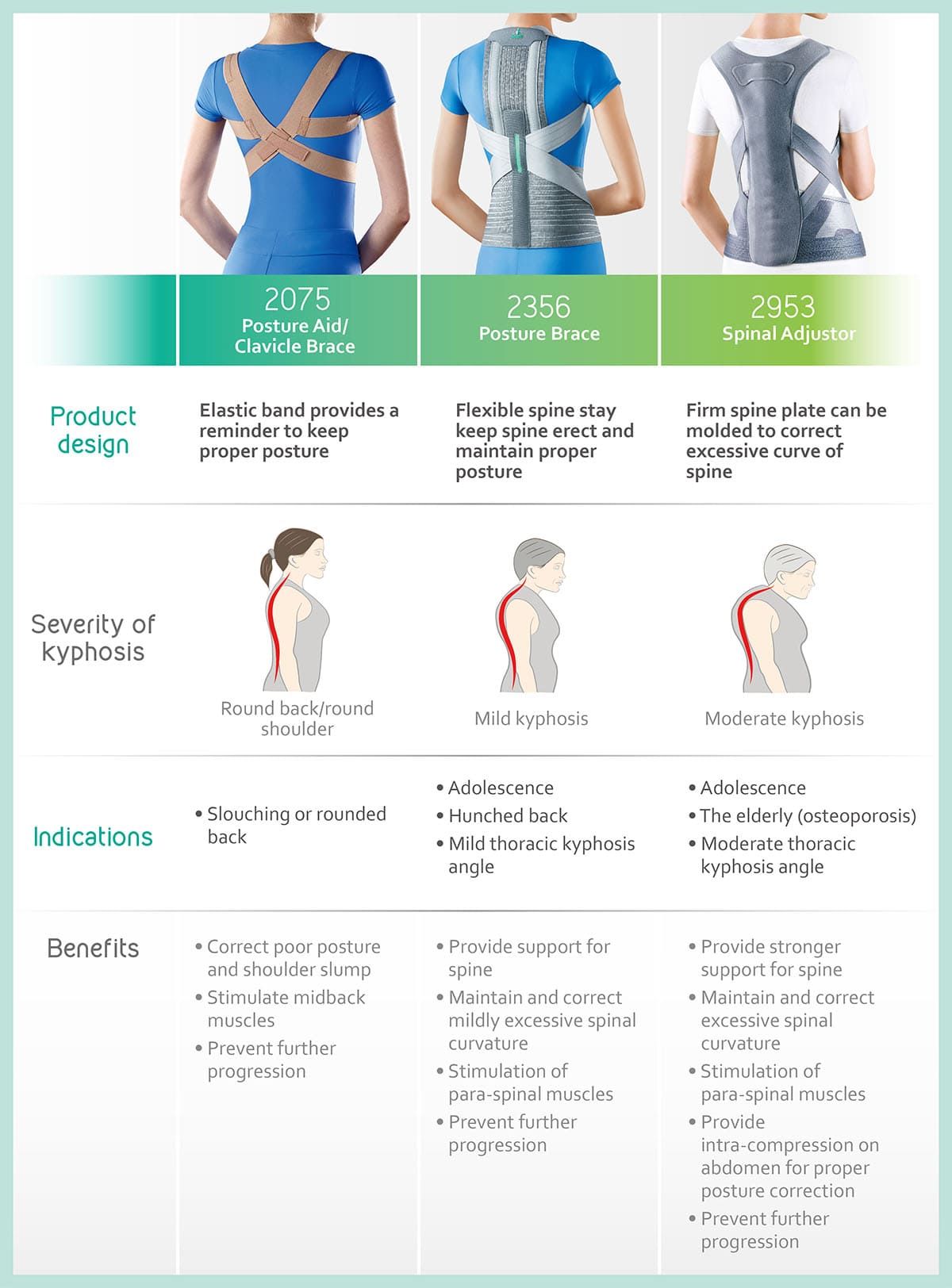
The 2075 Posture Aid / Clavicle Brace uses elastic straps to gently remind the wearer to maintain correct posture. It is best for rounded shoulders or mild postural kyphosis caused by long-term slouching. By supporting the upper back and stimulating mid-back muscles, it helps correct shoulder slump and prevents the curve from worsening.
The 2356 Posture Brace offers flexible spine stays that keep the back upright and properly aligned. Designed for mild kyphosis or early signs of a hunched back, it provides balanced support while maintaining mobility. Regular use helps correct mild spinal curvature, strengthen paraspinal muscles, and prevent further progression.
For moderate kyphosis, the 2953 Spinal Adjustor provides firm stabilization with a moldable spine plate. It is suitable for individuals—including the elderly with osteoporosis—who need stronger spinal correction. The brace enhances posture by realigning the thoracic curve, supporting paraspinal muscles, and applying gentle abdominal compression to relieve pressure and maintain balance.
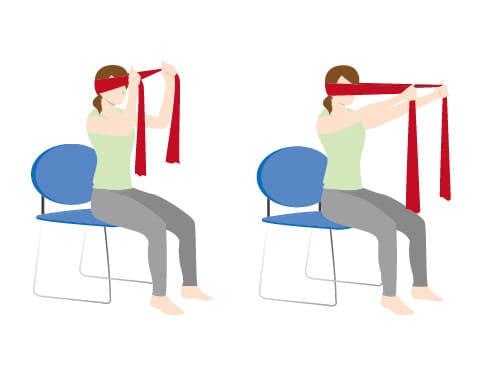
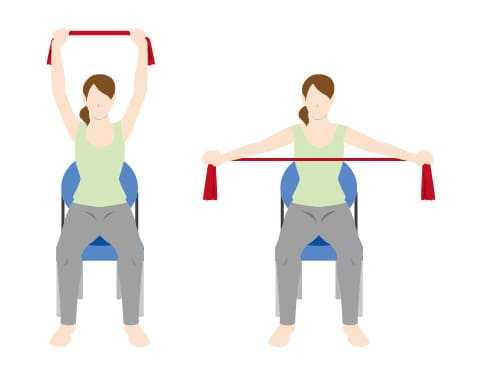
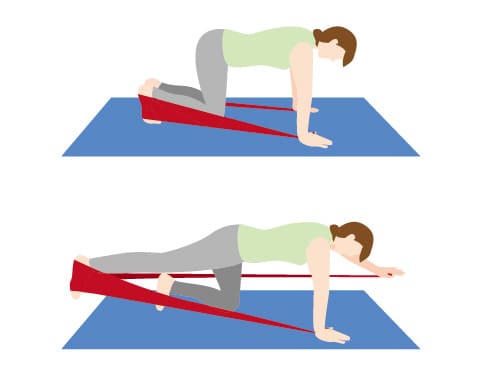
These braces form part of a comprehensive postural kyphosis treatment plan, helping users improve alignment and comfort without surgery. When combined with targeted exercises and daily posture awareness, they support better spine health and serve as an effective approach in how to prevent kyphosis from getting worse over time.



Copy Link
